
What Kind Of Material Is Used In Candle Boxes?
Candles have been used for centuries as a source of light and warmth but they have evolved into much more than just a practical item. In today’s society candles are also seen as decorative pieces that can enhance the ambience of any space.
As their popularity grows so does the demand for creative packaging to make them stand out on store shelves. This brings us to an important question what kind of material is used in candle boxes?
In this blog post, we will delve into the various materials commonly used in candle box packaging and explore their benefits and drawbacks. So if you’ve ever wondered about what goes into creating those beautiful boxes that hold our favourite scented candles keep reading!
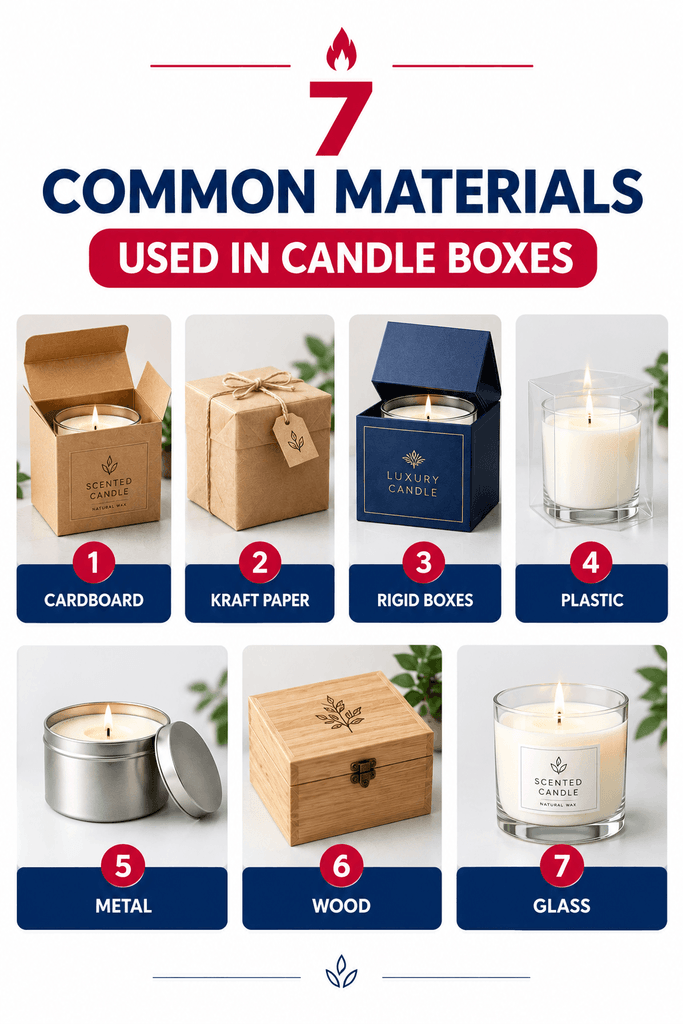
7 Common Materials Used In Candle Boxes
When it comes to candle box packaging several materials stand out due to their aesthetic appeal and functional properties.
1) Cardboard
This is one of the most popular choices for candle boxes. Cardboard is lightweight, cost effective and easily customizable making it ideal for intricate designs and branding. It also provides a decent level of protection for the candles inside.
2) Kraft Paper
Known for its eco friendly qualities, kraft paper offers a rustic and natural look. It is biodegradable and recyclable making it a preferred option for brands that want to emphasize sustainability.
3) Rigid Boxes
These are more robust than standard cardboard boxes and provide superior protection for premium candles. Rigid boxes often come with elegant finishes, making them suitable for luxury candle brands.
4) Plastic
While not as common as paper options, plastic can be used for protective boxes especially for travel sized candles. It is durable and waterproof but can detract from a natural aesthetic.
5) Metal
Some brands opt for metal tins or boxes particularly for candle collections. Metal containers can give a modern and sleek appearance though they may be heavier and more expensive.
6) Wood
Wooden boxes offer a unique and luxurious presentation for candles. They are sturdy and can be beautifully crafted to showcase intricate designs or engravings. The natural texture of wood adds an earthy element that appeals to consumers looking for a rustic or artisanal product.
7) Glass
Glass is often used for packaging container candles due to its elegant appearance and ability to highlight the candle’s colour and texture. Glass jars can provide an upscale look and can be reused or repurposed after the candle has burned down. The material is non porous which means it won’t absorb scents and can keep the fragrance intact for longer.
Factors to Consider When Choosing Material For Candle Boxes
| Factor | Description |
|---|---|
| Aesthetic Appeal | Consider how the material complements your candle’s design and overall brand identity. |
| Durability | Evaluate the level of protection required for the candles especially during shipping. |
| Weight | Lighter materials may reduce shipping costs while heavier options convey a more premium feel. |
| Sustainability | Choose environmentally friendly materials if aligning with eco conscious values is a priority. |
| Cost | Assess the budget for packaging to determine if premium materials are feasible. |
| Customizability | Look for materials that can be easily printed or designed to fit your branding needs. |
| Functionality | Ensure the chosen material supports any specific features such as waterproofing or scent retention. |
| Consumer Experience | Think about how the packaging enhances the overall enjoyment and usability for the customer. |
Benefits of Using These Materials for Candle Boxes
The choice of material for candle boxes significantly impacts both aesthetics and functionality.
- Cardboard: Its lightweight nature reduces shipping costs and its versatility allows for creative designs that can attract customers. Additionally cardboard can be easily printed for branding purposes.
- Kraft Paper: By being biodegradable and recyclable, kraft paper appeals to environmentally conscious consumers. Its natural look adds to the candle’s rustic charm enhancing its overall appeal.
- Rigid Boxes: The sturdiness of rigid boxes provides exceptional protection for high end candles ensuring they arrive undamaged. Their elegant finishes bolster the luxury feel, making them perfect for gift giving.
- Plastic: Durable and waterproof, plastic boxes protect candles during transport and use. They are particularly beneficial for small or travel sized products, maintaining their integrity against spills.
- Metal: Metal boxes add a contemporary aesthetic and can be highly durable. They often have resealable lids making them functional and stylish and appealing to consumers who seek unique packaging options.
- Wood: Crafted wooden boxes not only look luxurious but also offer a unique unboxing experience. Their sturdy construction ensures excellent protection for candles while appealing to customers seeking artisanal quality.
- Glass: Glass packaging elevates the perceived value of container candles making them desirable for consumers. Its non porous nature prevents scent absorption, preserving fragrance longevity and offering a premium finish that enhances product visibility.
Overall the careful selection of materials for candle boxes can significantly influence consumer perception, brand identity and environmental impact.
Drawbacks of Using These Materials for Candle Boxes
While there are numerous benefits to using various materials for candle boxes it’s important to also consider their drawbacks.
- Cardboard: Although lightweight, cardboard may not provide adequate protection for very fragile candles, as it can be easily crushed or damaged during shipping. Additionally it may not hold up well in humid environments, potentially compromising the candle’s integrity.
- Kraft Paper: While kraft paper is eco friendly, its thinner construction might not offer sufficient protection compared to sturdier materials. Furthermore it may not be suitable for all types of candle designs that require a more polished look.
- Rigid Boxes: These boxes can be more expensive to produce and may lead to higher overall packaging costs. Their bulkiness might also pose challenges in terms of storage and shipping efficiency.
- Plastic: Despite being durable, plastic can present environmental concerns associated with plastic since it is not biodegradable. Additionally it may give a cheap appearance which could detract from a luxury candle’s branding.
- Metal: Metal boxes can be significantly heavier than other packaging options, increasing shipping costs. They may also be prone to dents and scratches which could affect the presentation of the product.
- Wood: Wooden boxes often come at a higher price point due to the material and craftsmanship involved. They can also be heavier making shipping more costly. Moreover wood requires careful treatment to prevent warping or damage from moisture.
- Glass: While glass is elegant and offers excellent product visibility, its susceptibility to breakage presents a major drawback. This fragility can lead to damaged goods during transit, which can impact customer satisfaction and return rates.
FAQs
Can plastic be a good option for candle packaging?
Plastic is durable and waterproof making it advantageous for travel sized or speciality candles. However its environmental impact and potential to appear less luxurious should be considered.
Can candle boxes be made from recycled materials?
Absolutely. Many candle boxes are made from recycled cardboard or paper which helps reduce environmental impact and appeal to eco friendly consumers.
Are there any special coatings or finishes used on candle boxes?
Yes, candle boxes can have various coatings or finishes such as gloss, matte or UV coating. These finishes enhance the appearance and durability of the boxes, protecting against moisture and wear.
Can candle boxes be customized in terms of design and size?
Yes, candle boxes can be fully customized in terms of size, shape, design and printing. This allows brands to create unique packaging that reflects their brand identity and appeals to their target market.
Wrap up
Selection of materials for candle boxes plays a crucial role in defining both the packaging’s functionality and its aesthetic appeal. Various materials such as cardboard, kraft paper, rigid boxes, plastic, metal, wood and glass each offer unique advantages and drawbacks that can influence consumer perception and brand identity.
While eco friendly options like kraft paper align with sustainability efforts, sturdier choices such as rigid boxes and glass provide enhanced protection and luxury appeal.
Brands should carefully evaluate their specific needs including protection during transit, environmental considerations and the desired consumer experience to select the most suitable material for their candle packaging.
Ultimately the right choice can enhance product appeal, align with brand values and create a better overall experience for consumers.
